






News
Petfair Vietnam 2026: Our Perspective on the Future of the Pet IndustryJun 17, 2026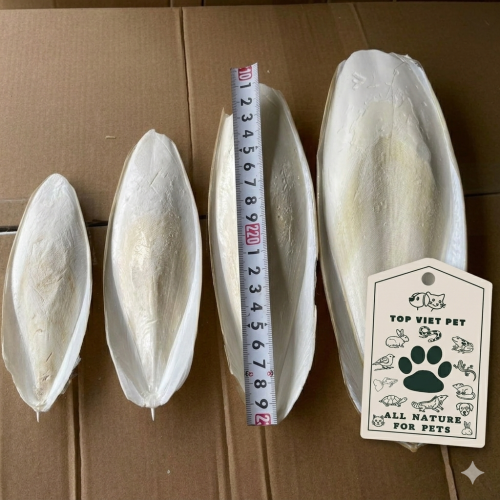
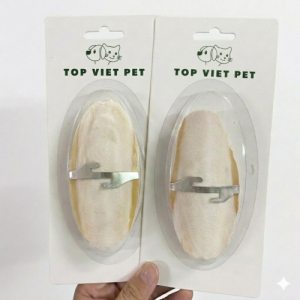
Cuttlefish Bone
Product code:
B3001
Status:
Còn hàng
Number of views:
85
SKU: B3001
Moisture: 12 % max.
Calcium content: 34% min.
Broken: 3-5% max.
Shape: Oval
Shape: trimmed or untrimmed oval.
Length: 1-9cm, 10-15cm, 15-20 cm or superb sizes.
Width: 4cms onwards.
Clean, whiten, 100% Sun-dried, good smell, no chemistry.
Origin: Vietnam.
PACKAGING
Box/Carton/PP Bag
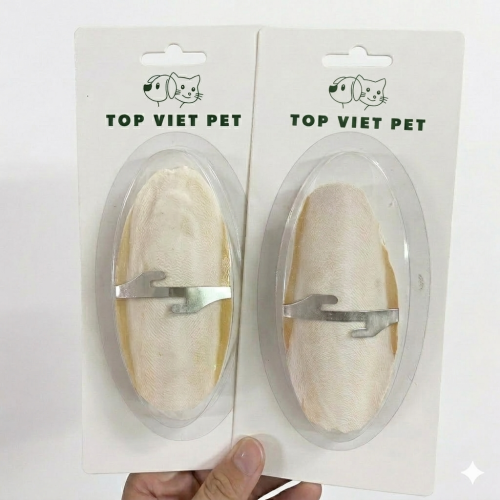
1 pcs per blister or 2pcs per blister packed in
5 kgs, 25 or 50kgs/PP bag /CTN
19MTS/20’FT Cont.
OR AS CUSTOMER’S REQUESTS
Why Cuttlebone is a Must-Have for Your Pets: Benefits & Usage Guide
If you own a bird, a turtle, or even certain land snails, you’ve likely seen those chalky, white oval shells in pet stores. Known as cuttlebone, this natural supplement is more than just a chew toy it’s a nutritional powerhouse.
In this guide, we’ll dive into what cuttlebone is, why your pets need it, and how to choose the best one for your animal companions.

What is Cuttlebone?
Despite its name, a cuttlebone isn't actually a bone. It is the internal shell of the Cuttlefish, a relative of the squid and octopus. It is composed primarily of Aragonite (a form of calcium carbonate), making it an incredible natural source of minerals.
The chemical structure can be represented as:
$$\text{CaCO}_3$$
Key Benefits for Pets
1. Essential Calcium Source
Calcium is vital for bone structure, blood clotting, and muscle function. For egg-laying birds, it is critical for producing strong eggshells.
2. Beak and Shell Health
-
Birds: Pecking at the hard surface helps trim their beaks, preventing overgrowth.
-
Turtles/Tortoises: Gnawing on cuttlebone provides the calcium needed to prevent Metabolic Bone Disease (MBD) and keeps their "beaks" sharp.
3. Mental Enrichment
For many small animals, interacting with a cuttlebone provides a healthy distraction, reducing boredom-induced destructive behaviors.
Which Pets Need Cuttlebone?
| Pet Type | Primary Benefit | How to Serve |
| Parrots & Birds | Beak grooming & Calcium | Clip to the side of the cage |
| Turtles & Tortoises | Shell strength | Float in water or place on land |
| Snails & Hermit Crabs | Shell growth | Place small pieces in the habitat |
| Chinchillas | Tooth wear | Use sparingly as a mineral treat |
How to Choose and Use Cuttlebone
When shopping for your pet, keep these tips in mind:
-
Go Natural: Avoid "flavored" or artificially colored cuttlebones, as these often contain dyes that aren't necessary for your pet's health.
-
Size Matters: Ensure the cuttlebone is large enough that your pet won't accidentally swallow it whole.
-
Secure Placement: Use a cuttlebone holder for birds to prevent it from falling to the cage floor and getting soiled.
-
Preparation for Reptiles: For aquatic turtles, you may want to remove the hard plastic-like backing of the cuttlebone so they can access the soft calcium more easily.
Frequently Asked Questions (FAQs)
Can cuttlebone go bad?
As long as it is kept dry, cuttlebone has a very long shelf life. However, if it becomes damp or soiled with droppings, it should be replaced immediately to prevent bacterial growth.
My bird isn't interested in the cuttlebone. What should I do?
Some pets are picky! Try scraping some of the cuttlebone powder onto their fresh food or pellets to ensure they still get their daily dose of calcium.
Conclusion
Cuttlebone is one of the most cost-effective and natural ways to ensure your pets stay healthy, strong, and entertained. Whether you have a singing canary or a slow-moving tortoise, adding this "bone" to their habitat is a win-win for their well-being.
Looking for high-quality pet supplements? Check out our latest collection of natural minerals today!
Related products
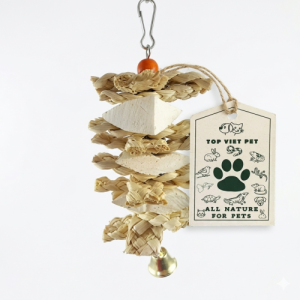
Eco friendly Bird Toys
Contact
Nuts Chewing Bird Toy
Contact
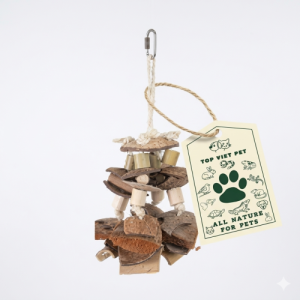
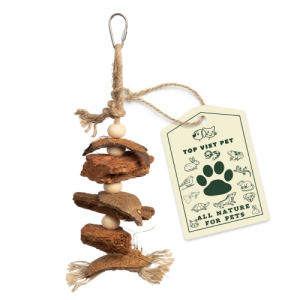
Coco Shell With Rope Chew Bird
Contact
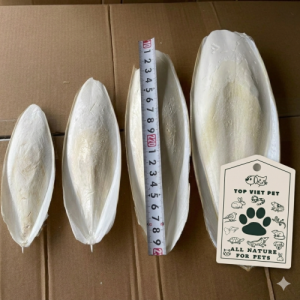
Cuttlefish Bone
Contact
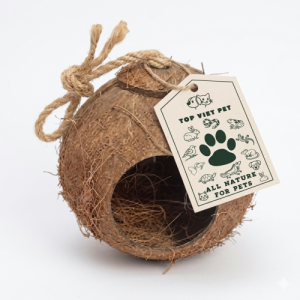
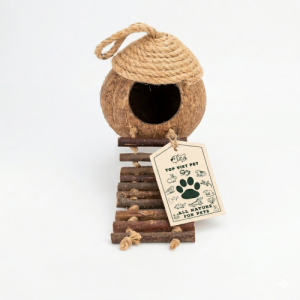
Coconut Shell Bird Nest
Contact
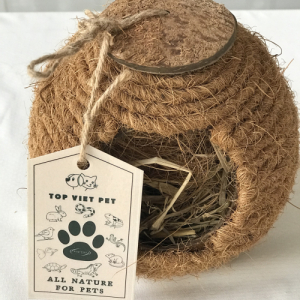
Coconut Shell Bird Nest
Contact
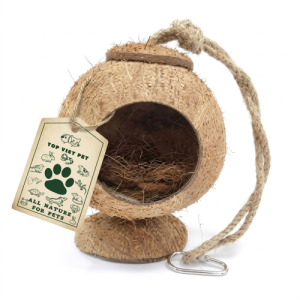
Coconut Shell Bird Nest
Contact
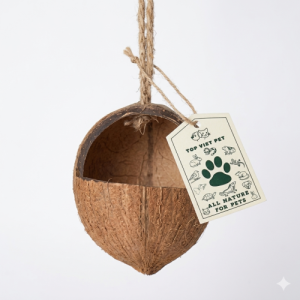
Coconut Shell Bird Nest
Contact