






News
Petfair Vietnam 2026: Our Perspective on the Future of the Pet IndustryJun 17, 2026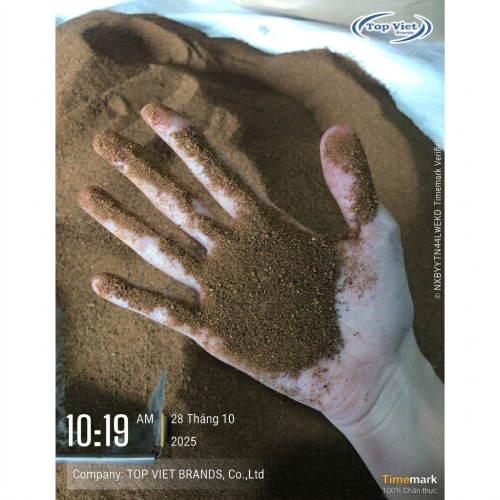
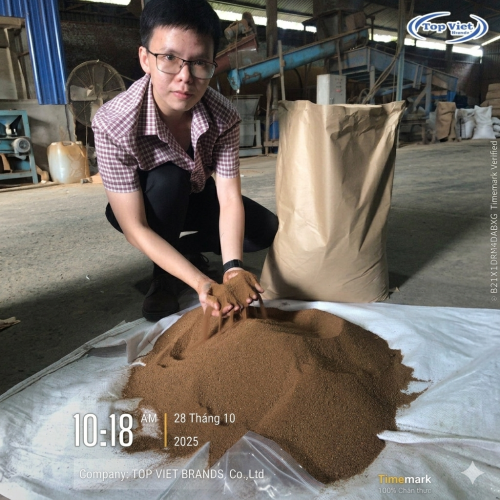
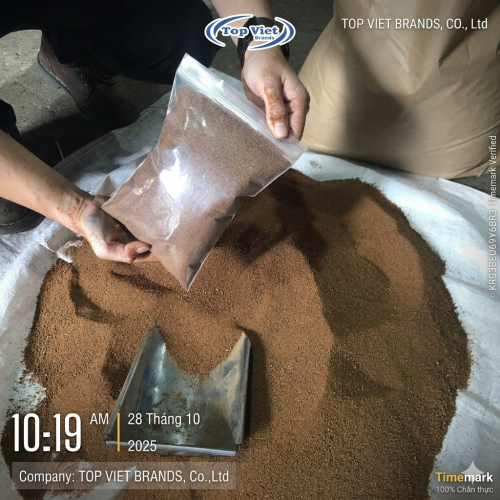
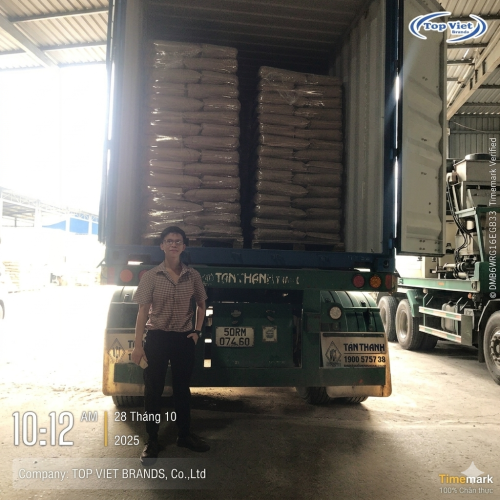
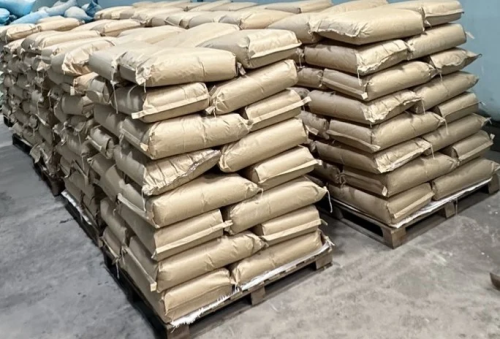
Dried Molasses
Product code:
O4001
Status:
Còn hàng
Number of views:
59
SKU: O4001
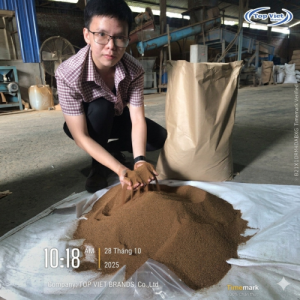
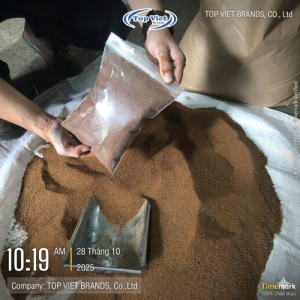
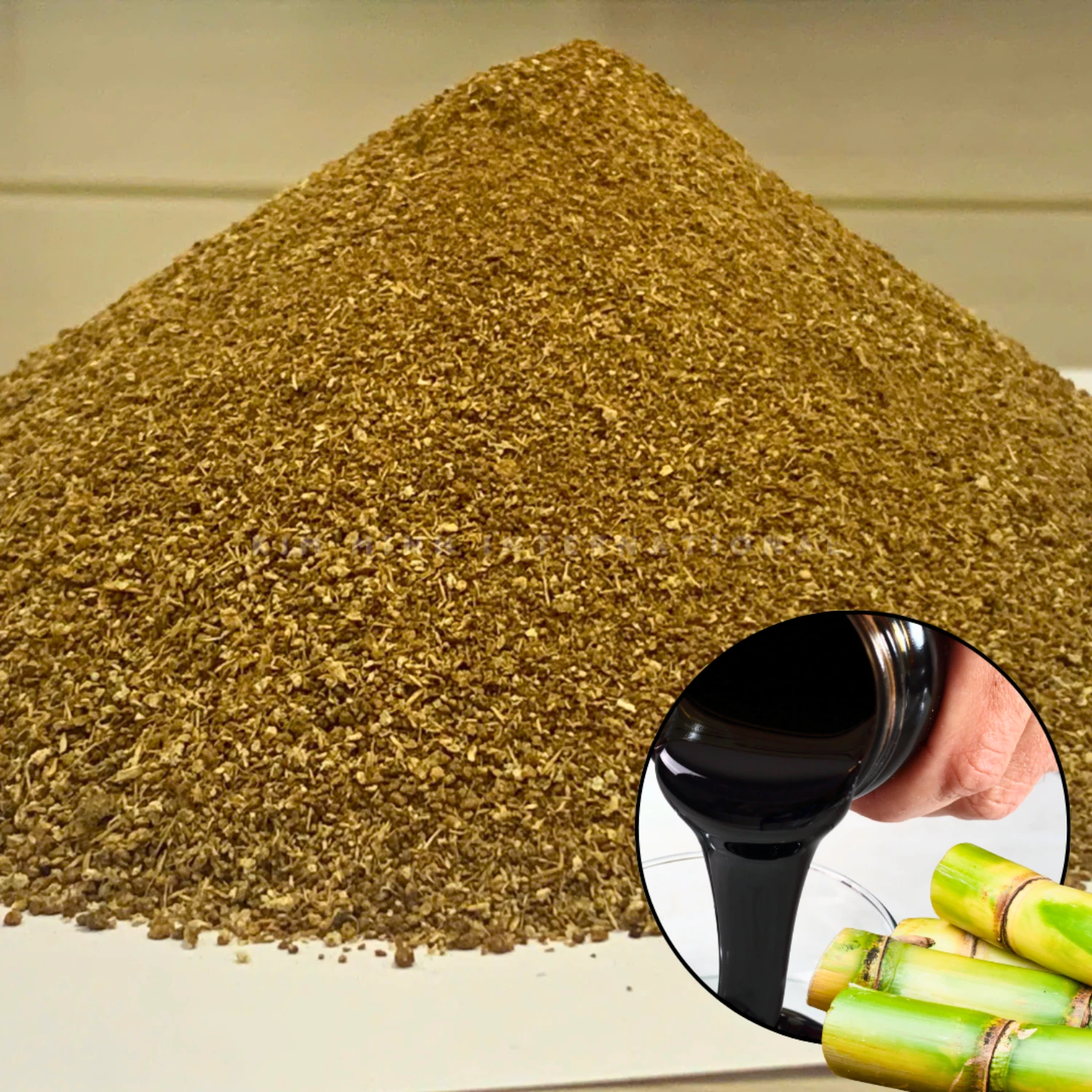
Dried molasses is obtained from sugarcane as a byproduct of the sugar industry after crystallization to produce crystalline sugar, which is then dried.
Raw sugar: 20% min
Moisture content: 14% max
Raw fiber: 15% max
Color: Yellowish brown
Packaging:
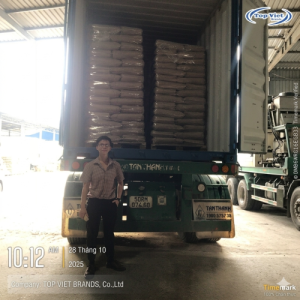
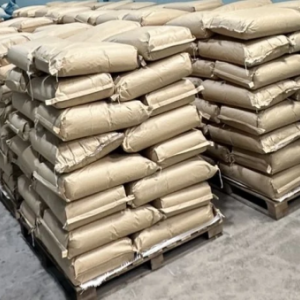
25kg paper bags
600kg jumbo bags
Uses: Dried molasses is commonly used as a feed supplement for farm animals to increase sugar content and nutritional benefits. Dried molasses is often added to animal feed in small quantities to improve palatability, as well as to increase energy and nutrient content.
Quick view
Dried molasses powder has become a game changer in multiple industries, from animal nutrition to commercial baking and organic gardening. While liquid molasses has been used for centuries, the dried form offers unmatched convenience without sacrificing the rich nutrient profile. If you are looking for a high energy sweetener, a robust soil conditioner, or a versatile industrial ingredient, dried molasses powder is the answer.
This guide will explore what dried molasses powder is, why it is superior to the liquid version in many applications, and how it can boost your operations.
What is Dried Molasses Powder?
Dried molasses powder, also known as dried molasses or molasses powder, is derived from the liquid by-product of sugar cane or sugar beet processing. This liquid is concentrated and dried—often using spray-drying technology—into a free-flowing, fine brown powder. During the drying process, a carrier ingredient, such as malto-dextrin or soy flour, is often added to maintain texture and prevent clumping.
The resulting powder retains the complex sugars, minerals (like calcium, magnesium, potassium, and iron), and the characteristic deep, robust flavor of traditional liquid blackstrap molasses.
Advantages Over Liquid Molasses
Why are industries shifting toward dried molasses powder? The benefits are clear:
-
Ease of Handling: No more sticky spills, messy tanks, or clogged pumps. The free-flowing powder is easy to weigh, mix, and transport.
-
Longer Shelf Life: Without moisture, dried molasses powder is much more stable, resisting fermentation and mold.
-
Consistent Mixing: It disperses evenly in dry formulations, preventing hot spots or clumping, which is vital in animal feed and bakery mixes.
-
Lower Shipping Costs: You aren’t paying to transport the water weight found in liquid molasses (which can be up to 25%).
Key Applications and Uses
The versatility of dried molasses powder is its greatest strength.
1. Premium Ingredient in Animal Feed
Dried molasses powder is a staple in the livestock feed industry. It serves multiple crucial roles:
-
Palatability Enhancer: Animals love the sweet taste, encouraging them to eat more, especially during stress or weaning.
-
Energy Boost: High in digestible carbohydrates, it provides a quick energy source for livestock, horses, and poultry.
-
Microbial Support: In ruminants (like cattle and sheep), it feeds beneficial rumen microbes, improving digestion and absorption of other nutrients.
-
Binder: It helps bind dust and other fine ingredients in textured feeds.

2. Commercial Baking and Food Production
For food manufacturers and bakeries, dried molasses powder provides consistent flavor and color without the hassle of handling liquid syrup. It is commonly used in:
-
Bakery mixes (breads, cookies, muffins)
-
Dry seasoning blends (BBQ rubs)
-
Sauces and coatings
-
Health foods and bars
3. Organic Gardening and Agriculture
In agriculture, dried molasses powder is revered as a potent soil conditioner and microbial stimulant. Soil microbes require carbohydrates to thrive. When added to the soil or compost:
-
Boosts Microbial Activity: It dramatically increases the population of beneficial bacteria and fungi.
-
Improves Nutrient Uptake: Healthy microbes break down organic matter, making nutrients more available to plants.
-
Enhances Plant Resilience: Stronger microbial communities help plants withstand stress and resist disease.

Sourcing High Quality Dried Molasses Powder
When purchasing, it is important to understand that not all dried molasses powders are the same. Check the following:
-
Type: Ensure it is derived from sugar cane if that flavor profile is required.
-
Carrier Ingredient: Some carriers might conflict with dietary or industrial constraints (e.g., non-GMO requirements).
-
Sugar Content: Look for products that clearly state the percentage of total sugars to ensure you are getting the desired energy or flavor potency.
Conclusion
Dried molasses powder offers a powerful combination of nutrition, flavor, and practicality. For animal feed, it is a proven palatability and energy enhancer. For organic gardeners, it is the key to unlocking soil vitality. And for food producers, it provides consistent molasses quality without the sticky mess. Integrating this versatile ingredient into your formulation could be the key to improving product quality, optimizing production efficiency, and satisfying consumer demand for natural ingredients.
Related products
Ulva Lactuca
Contact
Dried Molasses
Contact
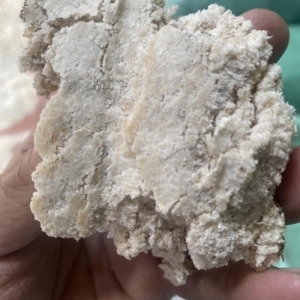
Copra Meal
Contact
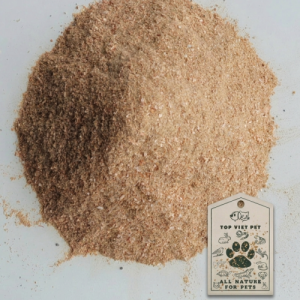
Dried Shrimp Shell Powder
Contact
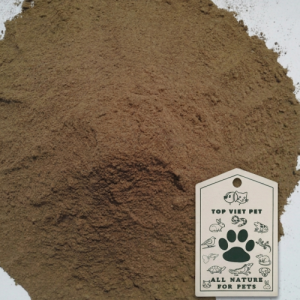
Fish Meal
Contact